The Problem in Tampa Bay
Spanish-speaking families in Tampa Bay may face challenges when trying to access speech-language pathology services for themselves or their children. These services can include support for speech delays, language disorders, autism-related communication needs, hearing concerns, swalloing disorders, and school based communication support.
Tampa Bay Connection: This issue is especially important in Tampa Bay because the area includes includes a large Hispanic and spanish speaking population. When services are not offered in a culturally and lingustically responsive way, families may not recieve the support they need.

Let’s Talk Common Barriers
Common Barriers
Limited access to bilingual speech-language pathologists
Difficulty understanding evaluations, reports, or treatment plans in English
Fear or confusion about school or medical Systems
Cost, insurance, and transportation challenges
Lack of spanish-language resources for parents
Why This Matters
Childern may Recieve services later than they should
Families may not know their rights or avaliable options
Miscommunication can create mistrust
Bilingual childern may be Misunderstood or Misdiagnosed
Parents may feel excluded from decisons about care

Big Ideas, Real Impact
Connection to Communication Sciences and Disorders
This Topic is directly connected to Communication Sciences and Disorders because speech- language pathologists work with people from many cultural and linguistic backgrounds. Professionals must understand how bilingual language development works and avoid confusing a language difference with a language disorder.
Important CSD Concepts
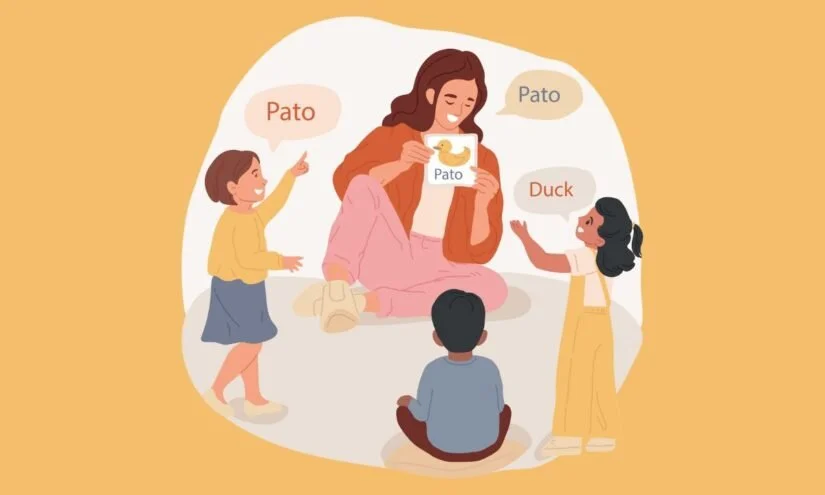
Bilingual Language Development: Childern who speak two languages may develop communication skills differently, but this does not automatically mean they have a disorder.
Language difference vs. disorder: A speech-language pathologist must determine whether a child has a true communication disorder or is showing normal billingual patterns.
Cultural Compentence: Professionals should respect each family's language, values, and beliefs, and communication style.
Ethical Resposibilty: CSD professionals have a resposiblity to provide fair, accessible, and accurate services to all families.
Interpreter use: Families Should have access to trained interpreters when services are not available in their preferred language.
Without cultural awareness, Spanish speaking families may not recieve accurate evaluations or effective treatment . This can affect a child's education, confidence, and long-term communication development.